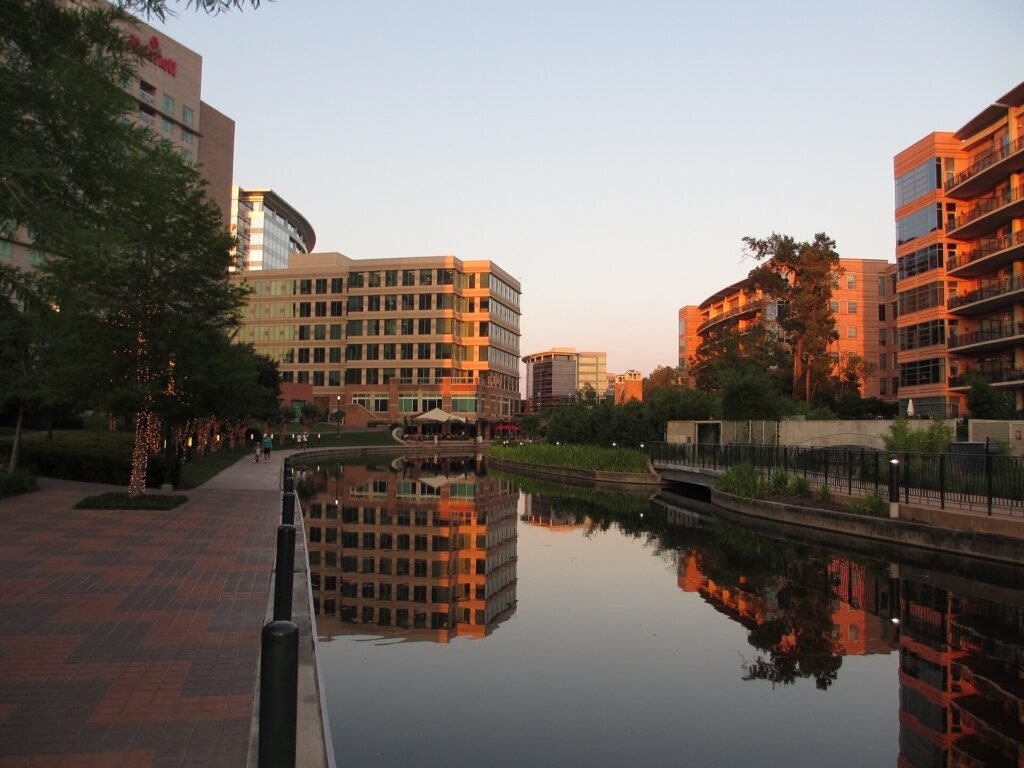
A Heights Boulevard walk is a way to notice the smaller pieces of neighborhood life: where people pause, how public spaces are cared for, and which corners you would revisit. Give yourself a modest route and treat the parks as places to spend time, rather than checkpoints on a long march.
The Houston Heights Association’s property guide identifies Marmion Park at Heights Boulevard and 18th Street and Donovan Park farther along the boulevard. The association owns and operates these community spaces and stewards other neighborhood assets. Knowing who manages a place makes it easier to find reliable information about use, reservations, and changes.
Start with one park, not an ambitious loop
Choose the park that best matches your purpose and make it the definite stop. Treat the other as an optional extension after you check the route. Save the exact location, identify crossings on a current map, and agree on a return point before you set out.
At Marmion Park, look for the Kaiser Pavilion. The association explains that its design references the turret of the Cooley mansion that once occupied the site. That single detail gives a casual visit some historical texture without requiring you to turn the walk into a full architecture tour.
Marmion and Donovan offer different anchors
The Houston Heights Association’s property guide places Marmion Park at 1800 Heights Boulevard and identifies it as a pavilion rental venue as well as a green space. Donovan Park serves a different purpose as a community playground. Make that distinction part of the plan: architecture and a quiet pause point toward one sort of visit, while time at a playground calls for a different pace and attention.
For a first outing, begin with the activity you actually want and make a modest return route around it. Keep a note of which side of the boulevard you start on and where you intend to cross. A map can show the broader pattern, but the crossing you use on the day should be a deliberate choice, not the result of following someone who has already stepped into the street.
At Marmion, compare the pavilion’s silhouette with the association’s explanation of its historical reference. That turns a decorative feature into an opening question about how the neighborhood remembers buildings that are no longer standing.
Let the neighborhood come into focus slowly
Spend a few minutes noticing the relationship between the boulevard and the surrounding blocks. Where does the path invite you to continue? Where would you rather cross at a designated intersection? What do you hear when you stop moving? Observations like these tell you more about your own preferences than a list of flattering neighborhood adjectives.
Add 19th Street only if it suits the outing
The 19th Street merchant directory gives a separate set of nearby browsing possibilities, including home goods, antiques, records, and custom framing. If that interests you, save a shop as an optional second destination and verify its own hours. Do not turn a park walk into an assumed continuous shopping route without looking at the actual streets and return journey.
A useful observation exercise is to compare three kinds of public-facing space: the park, the boulevard edge, and a commercial block. What changes in the places to pause, the movement of people, or the objects that draw your attention? Keep the notes about physical features and your own routine. They can help you explain why you enjoyed an outing without making broad claims about the people who belong in a neighborhood.
If you take photographs, use a small set with different jobs. One can show the public gathering space, another a detail such as a sign or pavilion joint, and a third a route feature you want to remember. These become practical references when you return rather than a collection of private homes photographed out of context.
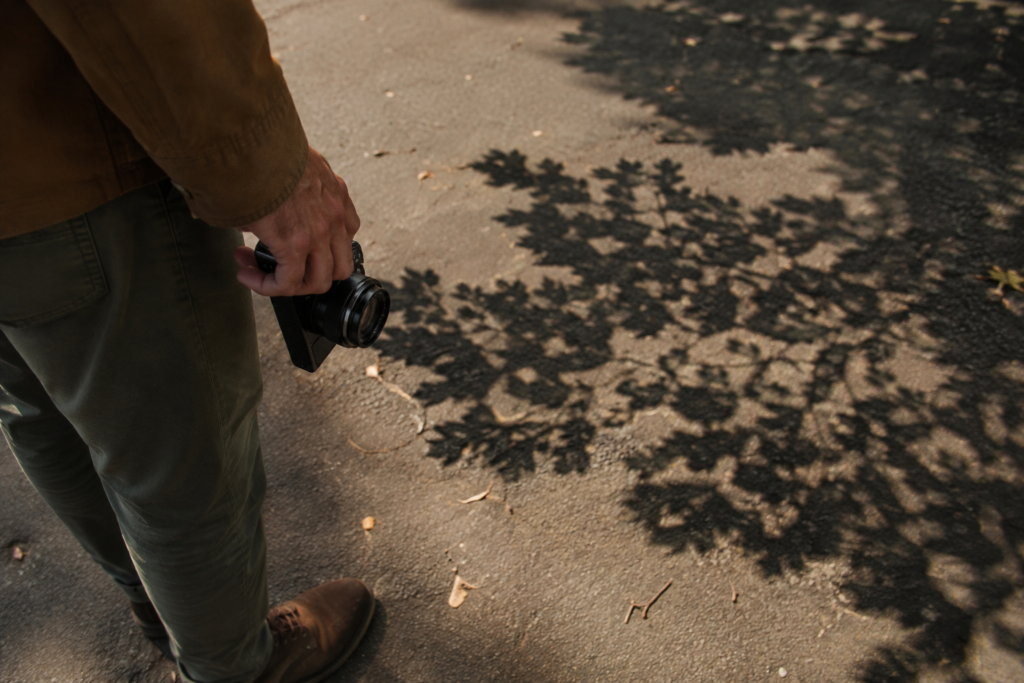
Stay on public paths and respect the homes around them. A visible porch or garden can be part of the streetscape without being an invitation to enter private property. For photographs, keep your composition focused on public features and avoid lingering in ways that intrude on residents.
Check Donovan Park’s current information
The association describes Donovan as a public playground and is also raising funds for its reimagining and restoration. Read the current Donovan Park project page before planning around a specific piece of play equipment. A fundraising effort does not establish a construction schedule or promise that a new feature is already open.
Follow the restoration through its actual milestones
The Reimagine Donovan Park page describes planning, community input, conceptual design, cost estimates, and a later fundraising and construction phase. It also explains that the privately owned park’s maintenance and renovation depend on the association and community support. A rendering or campaign announcement therefore deserves different language from a completed, open feature.
Before returning for a particular piece of play equipment, check the latest project information and any notices at the park. If a section is closed, keep the outing within the available area. For a larger gathering, ask the association about arrangements rather than assuming the rules for a casual visit also cover an organized party.
This is a useful example of local involvement that goes beyond visiting an attraction. If you would like to participate, look for a current volunteer opportunity or meeting through the association’s own channels. Choose something specific you can realistically do. Learning who maintains a space, how improvements are funded, and where updates appear makes it easier to remain informed long after your first walk.
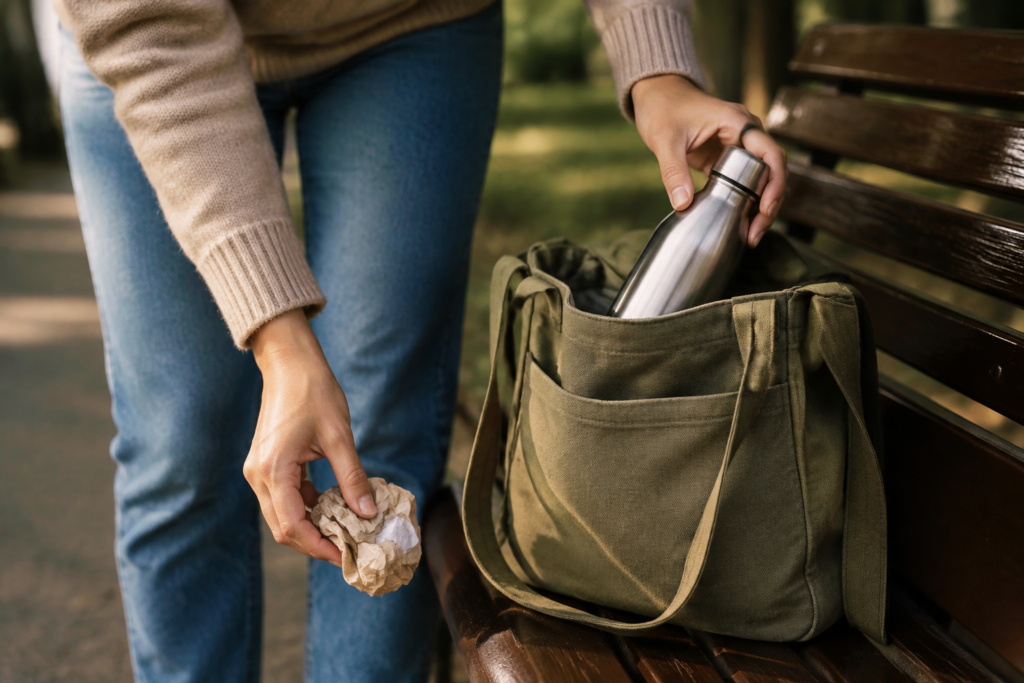
For an ordinary visit, carry only what you need and leave the park as you found it. If you are organizing a celebration or bringing a larger group, ask the association which spaces can be reserved and what arrangements apply. Casual public access and exclusive use of a pavilion are different things.
Open a neighborhood walk prompt
Choose one park as your anchor. Check the route and crossings. Notice one historical detail and one everyday amenity. Save the manager’s page for future updates. Write down what you would like to return for.
Use the outing to sharpen your home search
The Houston Heights area guide puts local attractions alongside broader neighborhood information. Compare that overview with what you actually experience on your walk. A home described as being “in the Heights” still deserves an address-specific check of routes, access, and surroundings.
If buying is on your horizon, keep a short list of the routines you want nearby and use the Aurhomes Group buyer guide for the next questions. We can help translate a favorite afternoon into a practical property search without treating one walk as the whole story.