

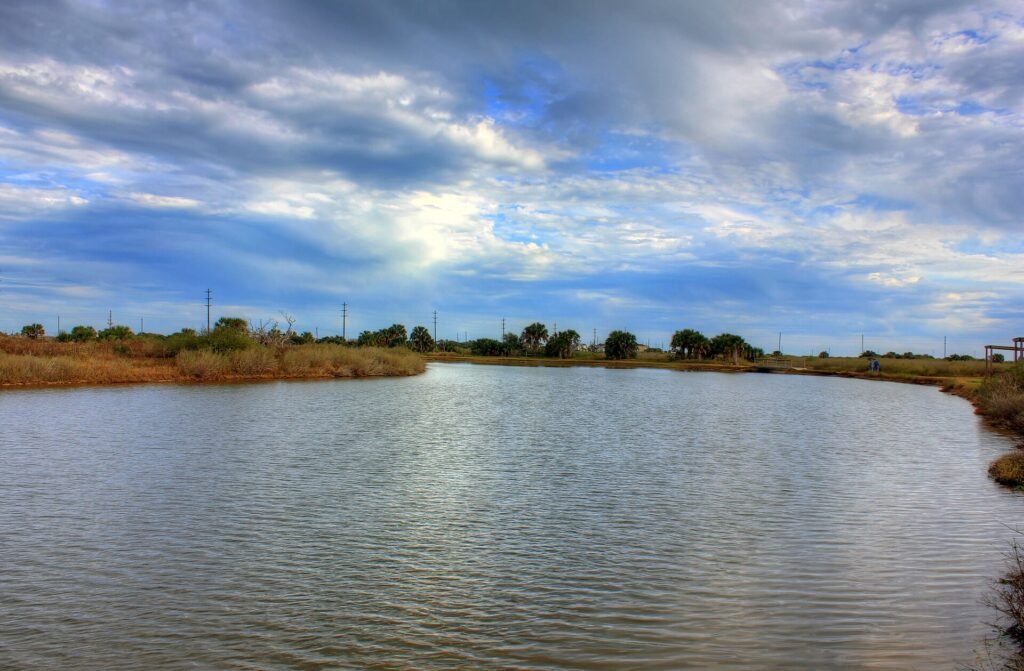
Cover: Gulf shoreline at Galveston Island State Park (2014). Photo: Yinan Chen. Public Domain. Photo source · License
Galveston Island State Park offers a useful choice before you even pack: is this a beach visit, or a day to look more closely at the bay-side landscape? You can explore both over time, but choosing one as the main purpose helps keep a first trip comfortable and focused.
The Texas Parks and Wildlife park guide describes both beach and bay sides, along with walking trails, observation features, paddling opportunities, and ranger programming. The park is at 14901 FM 3005. It often reaches capacity, so the operator recommends advance reservations for day use as well as camping. Check active alerts before committing to a plan.
Choose the version that fits the day
If you mainly want to spend time by the beach, organize your supplies and schedule around that. If observation and a walk are the priority, review the current trail map and choose a manageable route. Trying to do every listed activity can leave you carrying too much and enjoying too little.
For a group, agree on what the outing will include before leaving home. A person expecting a short nature walk may have packed very differently from someone anticipating hours on the sand. A shared plan reduces that mismatch and leaves room to adapt when conditions change.
Let the park map separate two different experiences
The Texas Parks and Wildlife guide lists four miles of trails, observation platforms, photo blinds, and boardwalks across marsh and dunes. Use its current map to locate the features that fit your main purpose. A beach-focused arrival and a bay-side observation route should be researched as distinct plans, even when you intend to try both eventually.
For a first nature outing, select one mapped route and a clear return rather than combining every trail feature. For a beach visit, choose the intended access and check the conditions and applicable guidance for the activities you plan. Keep those decisions visible when discussing the trip with companions; everyone should know whether walking or time on the sand is the main event.
Day-use access and camping are separate reservation choices. Confirm the arrangement that matches your visit, and review alerts before departure. A reservation helps organize arrival under its terms, but it does not remove the need to respond to conditions or guarantee that every activity on your wish list will be suitable.
Give the bay-side landscape time
A nature-focused visit works well with a simple observation goal. Look for differences between open water, marsh, and the land along a path. Notice movement and sound before trying to identify species. A notebook can be more useful than a long checklist when you are still learning what to look for.
Use an observation point and a ranger resource
An observation platform or photo blind can give a nature visit a useful destination without making wildlife sightings a requirement. Choose an available feature from the map and pause long enough to notice the wider habitat. Look at the vegetation, open water, and movement between them before narrowing your attention to one possible subject.
The park offers ranger programming and identifies resources such as loaner Explorer Packs and a Junior Ranger Journal. Check the current schedule and ask staff about availability if you want to include one. A general program description is a menu of possibilities, not a promise that a guided activity will happen whenever you arrive.
If you use a journal or your own notebook, keep the record grounded in observation. Sketch the outline of the setting, mark where movement appeared, and add a question for a ranger or later research. The bay side can reward that slower attention even on a visit when the most memorable detail is the landscape rather than an easily photographed animal.
Use designated trails and observation points, and respect any closures. If you want to join a ranger activity, verify the specific current event and whether registration is required. A general list of program types does not mean that every activity is offered on the date you visit.
Make the beach plan specific too
A beach outing still needs a clear arrival point, a way to carry your belongings, and a plan for the return trip. Check the park’s current conditions and water guidance before deciding on activities. A reservation confirms access under its terms; it does not guarantee weather or water conditions suitable for everything you imagined.
Prepare for the return as carefully as the arrival
Consider the trip from your vehicle to the intended spot and back again. Pack containers you can manage once they are sandy, wet, or partly empty. Keep the things needed for departure separate from the items you will use on the beach so the end of the outing does not become a search through an overfilled bag.
The park’s published beach-wheelchair information says the loan equipment is not self-propelled. If it would help your group, ask staff about arrangements and the relevant route before your visit. Discuss assistance and the actual terrain rather than treating equipment availability as the only access question. A specific conversation will produce a more useful plan.
Leave another island attraction as an optional extra with its own verified access details. A full beach outing may be enough for the day, and the bay-side visit can wait for another trip. Keeping the versions separate lets you pack appropriately and enjoy the part you chose, instead of carrying supplies for two different experiences while rushing through both.

The park provides information about borrowing a beach wheelchair, including the fact that it is not self-propelled. Contact staff in advance if that service or another access arrangement matters to your visit. Specific questions about the route and equipment are more useful than assuming that all coastal terrain is alike.
Open a two-choice island plan
Beach focus: confirm access, conditions, and what you need to carry. Nature focus: choose a mapped route and an observation goal. For either plan, reserve as appropriate, review alerts, save the entrance, and keep a realistic departure time.
Let an island outing inform your preferences
Our Galveston area guide helps connect this park visit with a wider look at island life. Notice which part of the day you would want to repeat and whether it fits a regular routine or an occasional trip.
If you are exploring coastal homes, keep that preference separate from a property’s specific requirements. The Aurhomes Group home buyer guide can help organize questions about the home itself. Public beach or park access does not establish private access rights, insurance costs, or property conditions at a particular address.