

Memorial Hermann 10 for Texas gives runners and spectators several ways to spend a Saturday morning in The Woodlands. The event on October 10, 2026 includes the 10-mile race, the 3.1 Armadillo Run 5K and the One 4 Texas Kids’ Fun Run, beginning at Northshore Park. The useful first decision is which role you will have: participant, supporter, or resident planning around the route.
The Township’s official race page is the source for the details in this guide, checked September 6. Races have entry caps, and the organizer says there is no race-day registration. Check current availability, eligibility and fees directly before committing to a distance.
Choose your 10 for Texas distance
Read the course and time-limit information before buying an entry. The organizer requires participants to maintain a 16-minute-per-mile pace ahead of road reopening. Treat that as an event requirement rather than a personal training target someone else should set for you.
If you are comparing distances, think about the preparation you can realistically complete and the experience you want on the day. Do not let another person’s race choice make the decision for you. The registration page and participant instructions should answer event questions; questions about your own physical readiness belong with an appropriate health professional who knows your circumstances.
Put packet pickup on the calendar too
The race page lists advance packet pickup on October 8 and 9 at Township Town Hall, 2801 Technology Forest Boulevard. Race-day pickup has separate advance-payment conditions. Read those details carefully rather than assuming the bib will be waiting wherever you park on Saturday.
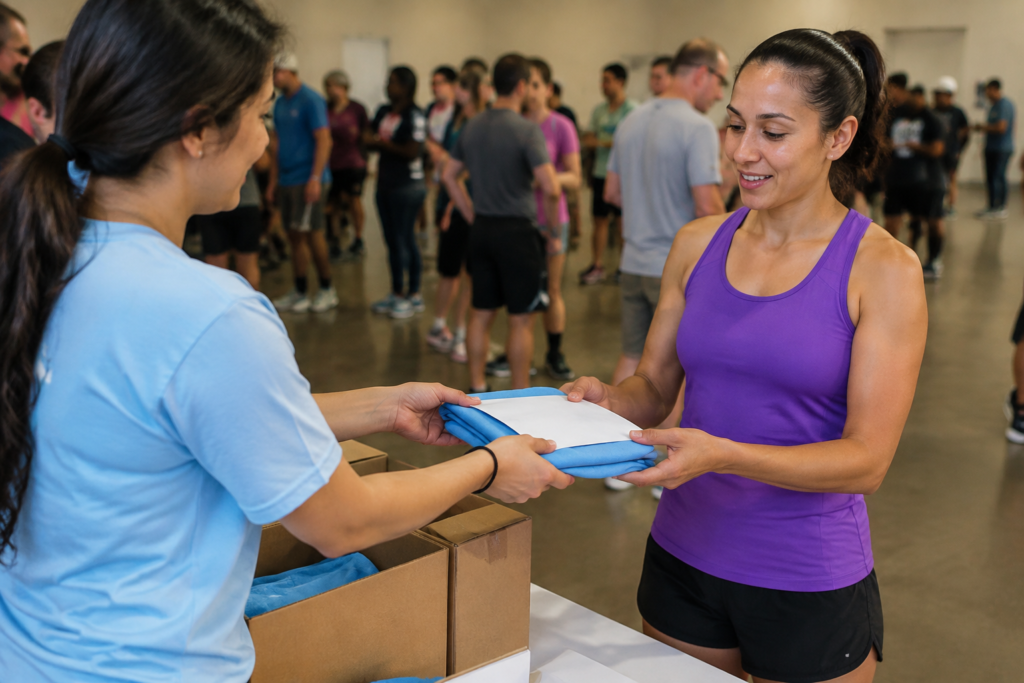
Add pickup as its own calendar appointment with the hours and entrance instructions. Check the name, event and bib when collecting the packet. Lay out what you will need the night before the race so the morning is about getting to the start, not searching for a confirmation email or deciding where you left your shoes.
A spectator plan needs more than a start time
Ask the participant what kind of support they would find useful. They might want company before the start, someone at the finish, or simply a reliable person to meet afterward. Agree on a precise reunion point that remains usable when people begin leaving.
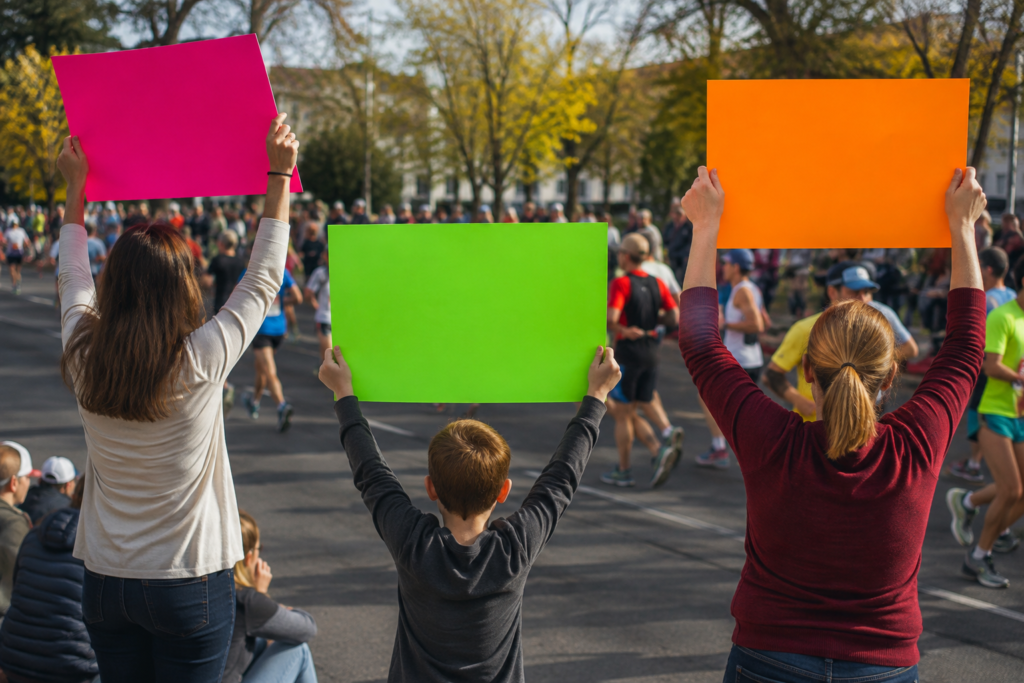
Use the official course map to choose a viewing location. Avoid inventing a shortcut across the route, and follow staff instructions. If you are carrying someone’s belongings, decide in advance who is responsible for them. A photograph is welcome only if taking it does not place you in the path of runners or interrupt another spectator’s view.
Allow for the road plan
The organizer publishes traffic impacts involving Lake Woodlands Drive and nearby routes. Read the current map even if you are not running. A breakfast reservation, work trip or showing appointment near the event may need a different arrival plan that morning.
Build in flexibility instead of promising an exact driving time. Course arrangements can be adjusted, and instructions from officers at an intersection take precedence over a familiar route. If you are inviting someone from outside The Woodlands, share the official traffic page along with the park location.
Read the race information as a participant
A race page contains several different documents, and they do different jobs. The registration listing establishes what you are entering. The course map shows where that event goes. The participant instructions explain the practical sequence around the start and finish. Read all three for your chosen distance rather than relying on the event’s name or a friend’s experience from another year.
Write the distance beside each saved document. This matters when one morning includes a 10-mile race, a 5K and a children’s run. The appropriate starting arrangement, route and participant requirements may differ. If adults in one household enter different events, compare the schedules before assuming one person can handle every pickup, start-line meeting and supervision responsibility.
Use the official information to answer logistical questions early: where your event begins, what time you need to report, how your bib should be presented and which items are permitted. Questions about changing an entry or someone else collecting a packet belong with the organizer. A social-media comment from a previous runner is not a substitute for the current registration terms.
Make encouragement personal
If you are supporting a runner, ask what they want from you. One person may appreciate a clear finish-line reunion and no other obligations. Another may enjoy seeing a familiar face on the course. The answer should shape where you stand and what you carry. Avoid promising multiple viewing locations unless the published route and access arrangements make them realistic.
Keep any sign compact enough that it does not block another spectator or an official instruction. If you are taking pictures, agree that your runner should continue naturally rather than stop suddenly for the camera. You can take a group photograph after the finish, once everyone has moved clear of the working area.
Be thoughtful about questions afterward. Start with how the experience felt rather than immediately asking about the clock. People enter events for different reasons, and the result may not match the goal they brought to the start. A supportive outing does not require turning every finish into an evaluation.
Give the finish its own plan
Choose a reunion point using the current site information and make it specific enough to recognize. Do not use the finish chute itself as a place to wait or store belongings. Participants and event staff need room to keep moving. If someone is bringing a change of clothes or other personal items, decide who holds them and how they will be returned.
Leave the post-race meal optional until you know what the participant wants. A reservation that requires an immediate departure can create unnecessary pressure. If you do book something, allow the runner to complete the organizer’s finish procedures and regroup first. The best support plan is one that remains useful even if the morning runs differently from your expectation.
For residents and other visitors, use the traffic notice independently of the race schedule. Knowing when a participant starts does not tell you when a particular road will reopen. Follow the organizer’s current instructions and on-site traffic direction.
Enjoy the area after the race
Keep the rest of the day optional. A participant may want a meal and a quiet return home rather than a full sightseeing schedule. Our Woodlands area guide offers ideas for another visit, while the Aurhomes Group buyer guide provides a place for housing questions. Save the organizer’s live page with your registration so changes, pickup details and route information stay easy to find.