

CyFair Library in Cypress is worth approaching as more than a place to pick up a book. A first visit can help you discover a program, learn how to request an item, or identify a resource you would use regularly. Choose one practical goal and let the rest of the visit be exploration.
The official LSC-CyFair Library page identifies the Harris County Public Library branch at 9191 Barker Cypress Road, in the Learning Commons building. It provides links for catalogs, research help, meeting and study rooms, technology services, and events. The page also gives campus-entry and visitor-parking guidance, which is useful when navigating a college setting for the first time.
Make the first visit about one useful task
You might want to locate a book, learn how holds work, or ask which resource fits a project. Write the question down before you arrive. A specific starting point makes it easier for staff to guide you and gives the visit a clear result even if you only have a short window.
Choose the right kind of help for your project
The LSC-CyFair Library site separates catalogs, research help, meeting rooms, study rooms, and technology services. That organization can help you describe what you need. Finding an item is a borrowing question; locating reliable information for a project may call for research assistance; finding a place to work requires checking the relevant room arrangements.
For a research visit, bring a short description of the project and what you have already tried. A question such as “I need sources about the history of this local subject” gives staff more to work with than a broad request to find something interesting. You can also ask how to save a citation or identify the source behind a claim you found elsewhere.
The site offers a route to schedule a one-to-one librarian consultation, online or in person. If your question needs focused time, use that option and prepare a few priorities. Keep the meeting manageable by distinguishing the essential question from the extra ideas you can pursue independently after learning where to look.

Once that task is complete, browse one unfamiliar section. Look at a subject you have been meaning to learn about or choose a format you do not usually borrow. There is no need to transform your habits in a day; finding one reason to come back is enough.
Sort out the right card and access
Harris County Public Library’s library-card information explains its full-service card and application requirements. Read those details before bringing documents, and ask the branch which option matches the resources you want to use. A digital-access account and a full-service card may not be interchangeable for every purpose.
Understand the Knowledge Card and digital option
HCPL’s card guide describes the Knowledge Card as its full-service option, obtained at a branch with an application and proof of address. It separately describes the iKnow card as digital access for Harris County residents. Review the current requirements for the card you want and ask the branch about your circumstances before gathering documents.
The CyFair site also links Lone Star student identification and library-card information separately from HCPL’s card information. If you are a student or already hold an account, tell staff what you have. Do not assume a login for one system answers every question about borrowing, databases, or a particular service at the shared location.
Once the account is established, practice the task you expect to repeat: searching the catalog, placing a hold, checking account information, or locating a digital resource. Save the correct official page rather than relying on a search result each time. A few minutes learning that sequence can make future visits and at-home use much easier.
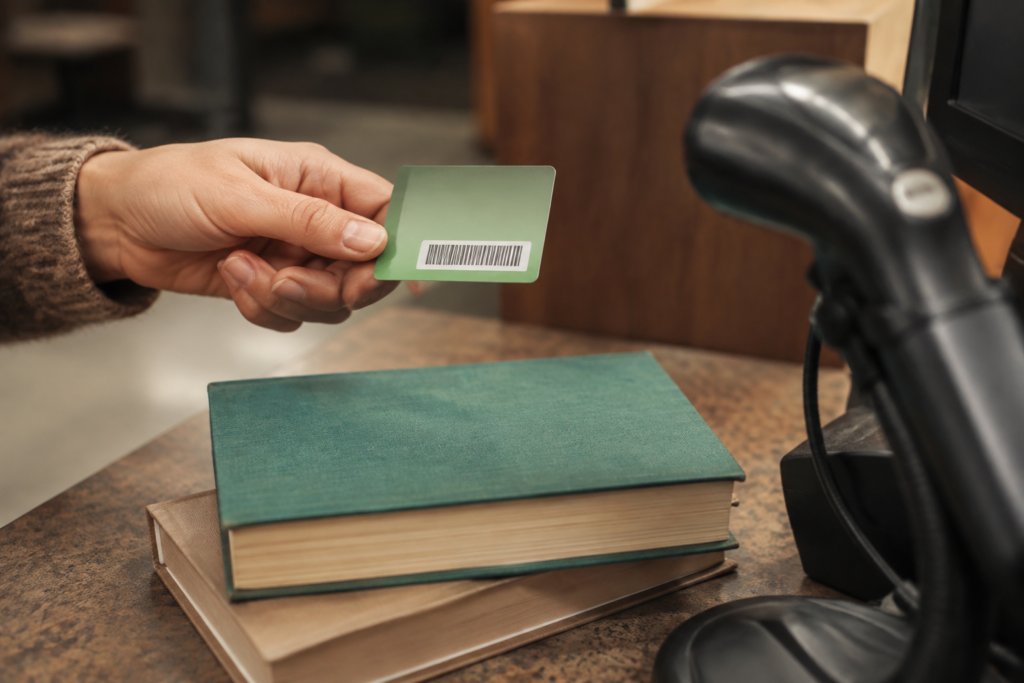
If you are planning to use equipment, reserve a room, or attend a program, check the applicable instructions rather than assuming that all services are available without preparation. Bring a clear description of what you need so staff can explain availability and any eligibility or booking conditions.
Turn the calendar into a manageable habit
Browse the official events calendar and select one current listing that genuinely interests you. Check the date, intended audience, location, and registration details. Avoid building a plan from an old flyer that happens to appear in a search result.
Put the event and any registration confirmation in your calendar, then decide whether you want to combine it with a brief borrowing visit. Keeping the plan small makes it easier to repeat. A library routine does not need to involve a full afternoon every time.
Separate attending a program from using a room
The library provides distinct links for meeting and study rooms and separate event information for different audiences. A room booking and a place in a scheduled program are different arrangements. If your plan involves both, confirm them independently. Registering for an event does not reserve a separate space for your group afterward.
Choose a recurring interest rather than filling your calendar with every appealing listing. You might follow a subject you are learning, a reading interest, or a practical skill. Check each actual event for location, registration, audience, and materials to bring. A familiar program title can still have different requirements on different dates.
Combine the visit with one small borrowing task if the timing works. For example, collect an available hold before a confirmed program, or browse the relevant subject afterward. Keep enough margin for campus navigation and returning materials. The aim is a routine that supports your interests without making every library visit an elaborate project with several dependencies.
Open your first-library-visit checklist
Check current hours and campus directions. Choose one question or item to find. Review card requirements. Confirm any room, equipment, or program booking. Save one future event or subject to explore on your next visit.
Include everyday resources in a home search
When you are exploring an area, it is easy to focus on its most photogenic attractions. A useful library visit asks a different question: which places would support the things you do during an ordinary week? Your answer may be reading, study, a personal project, or a recurring program.
The Cypress area guide can help you put those routines in a broader local context. If a move is part of the plan, use the Aurhomes Group home buyer guide and test the actual trip from candidate addresses. Keep the practical resources you would use alongside the separate questions about each property’s condition and fit.