
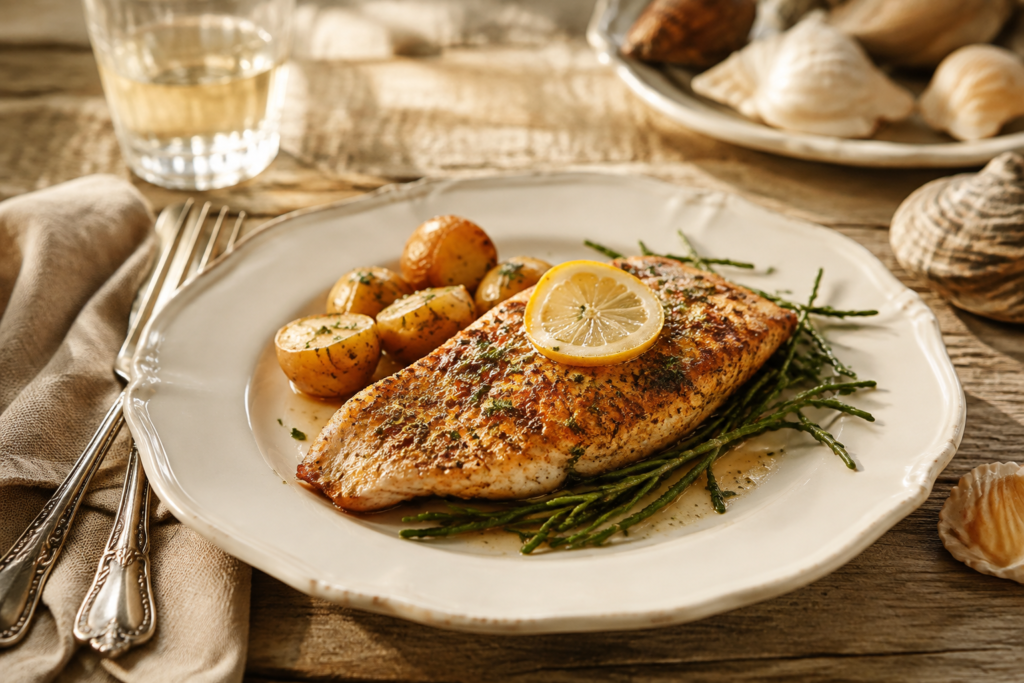
Some restaurant visits begin with a new opening; this one begins with a long history. Gaido’s traces its beginnings to 1911 in its own account of the business. For a Galveston outing, that history offers a different reason to choose a meal: a chance to connect part of an island day with a restaurant story that reaches back generations.
Local reference: Gaido’s official history.
Read the Gaido’s history before the reservation
A few minutes with the restaurant’s own history can give you something more interesting to discuss than a list of dishes. Keep the distinction between the past and the present clear. The founding date tells you about the business’s roots, while the current restaurant information tells you how to visit now. Historical longevity does not promise a particular menu, table, or experience on the day you arrive.
A century-old name with a menu to read today
Gaido’s own history identifies founder San Giacinto Gaido and the 1911 opening. It describes hand preparation of seafood and a culinary mix that includes Southern frying, open-flame grilling, and Creole influences. Treat that as the restaurant’s account of its traditions, rather than a reason to assume every dish or service detail has remained unchanged.
The current menu page separates its main menu from oysters and cocktails, desserts, a children’s menu, and a family-pack menu marked for takeaway. That distinction helps you choose the kind of visit. A restaurant dinner, a dessert after a smaller meal, and food to collect for a group are not interchangeable orders.
For a first visit, read the current main menu and choose a direction before adding extras. If the table is interested in oysters, ask which preparations are offered and how they fit with the rest of the meal. If dessert is part of the occasion, look at that menu early enough to leave room for something you actually want.
The history can enrich the conversation without making the meal a test of whether you ordered the most traditional dish. Choose food that appeals to your table. A longstanding restaurant becomes part of a personal island routine through the visits people enjoy, not through a requirement to recreate someone else’s celebration.
Make the meal part of a slower visit
A restaurant with historical context can be a good anchor for a day that is less focused on rushing between attractions. Give lunch or dinner its own space in the schedule. If you want to explore Galveston before the meal, choose a manageable activity and leave enough time to arrive comfortably. The history is more enjoyable when you have time to notice the place rather than checking the clock throughout dinner.
Ask about the current menu
Even a longstanding restaurant can change dishes, service times, and special offerings. Read the latest menu and ask staff about the preparation you are considering. If somebody remembers a meal from years ago, treat that memory as a story rather than a guarantee that the same order will still be available. A return visit can be meaningful even when the menu has evolved.
Bring the right kind of curiosity
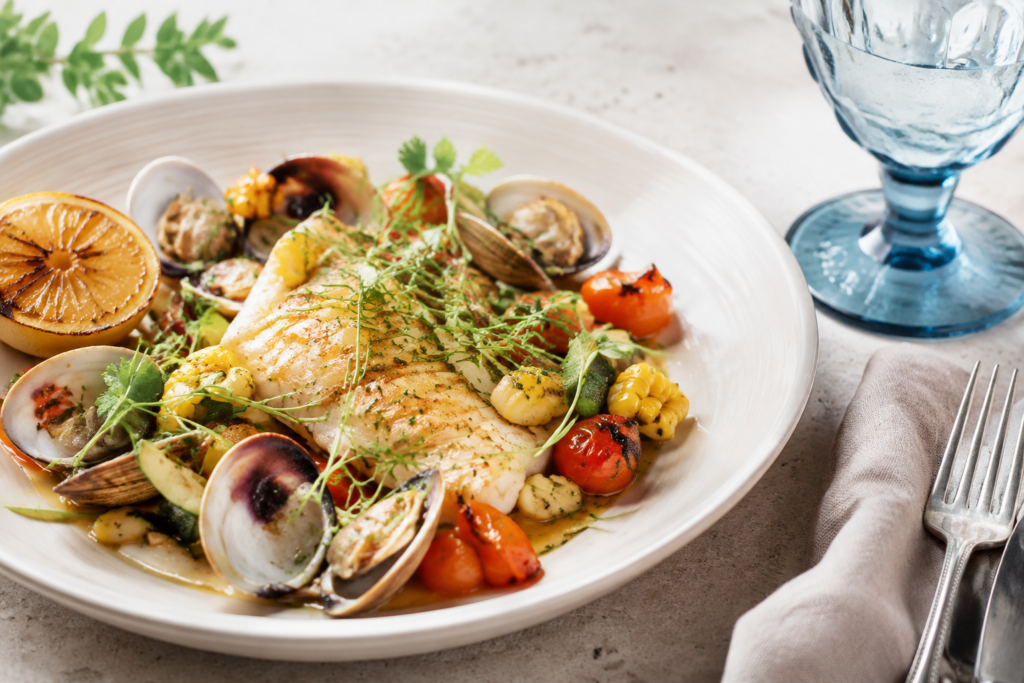
You do not need to be a food historian to enjoy a place with a long past. Look for the details the restaurant chooses to share and ask respectful questions when staff have time. If a family member has their own memory of visiting, leave room for it at the table. Personal recollections can enrich the outing, while the restaurant’s documented account remains the better source for dates and factual history.
Plan for everyone at the table
Choose the meal with your actual guests in mind. Review the current options for people with different appetites or dietary needs, and ask about reservations for a larger group. If this is a special occasion, discuss arrangements directly before you arrive. History can be the reason you consider a restaurant, but the practical details still determine whether it is the right fit for your celebration or family visit.
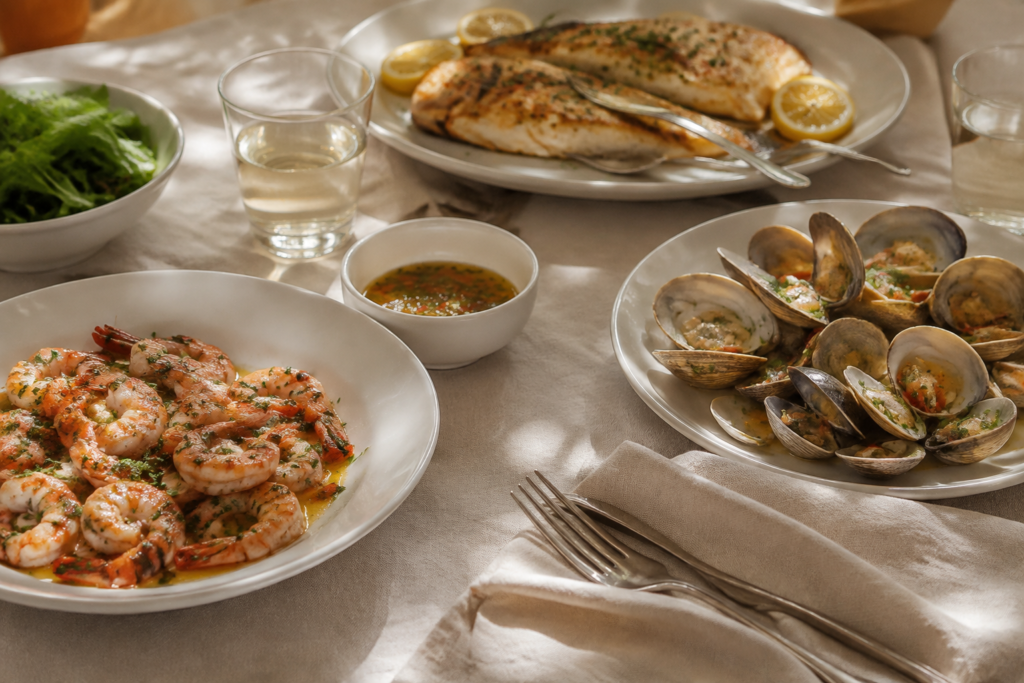
Plan the Seawall arrival around the actual reservation
Gaido’s official pages place it on Seawall Boulevard, but the site currently displays different street numbers in its header and footer. Use the current reservation confirmation and restaurant directions for the arrival entrance rather than choosing a number from an old screenshot. Confirm directly if you are arranging a drop-off or need a particular access route.
For a daytime visit, decide whether a Seawall stroll happens before or after the meal. Walking first can give everyone an appetite, while walking afterward may be more comfortable if you want to arrive rested. Either way, keep the route short enough that you do not turn the restaurant reservation into a deadline at the end of an ambitious excursion.
If beach time comes first, leave a genuine transition before lunch or dinner. Put equipment away, change if needed, and let the group settle before heading inside. If a guest is joining only for the meal, give them the restaurant meeting point rather than asking them to find the beach group first.
For a larger celebration, use the restaurant’s private-dining information or contact the staff about the party size. Several independent small-table reservations are not a reliable substitute for arranging one group. Discuss the occasion, menu needs, and any special requests together so the restaurant can explain what is possible.
Keep the end of the day simple. A short look at the Gulf or a quiet departure can be enough after an unhurried meal. Save a downtown or harbor activity for another visit if it would require rushing. The point of choosing a restaurant with this much local history is having time to appreciate the stop you made.
Carry the story into the rest of the day
After the meal, keep the island visit focused on what interests you rather than trying to complete a checklist. You might decide to investigate another historical place on a future trip or read more about Galveston’s food traditions. A single meal will not tell the whole story of the island, but it can give you a memorable starting point. Save the restaurant’s history alongside your own notes about the visit so the next plan begins with something more personal than a search result.
Plan your visit and check current details
Confirm the menu, opening hours, reservations, and access with the venue before leaving. The suggestions above are planning ideas, not a report of a personal dining visit.
Keep exploring our Galveston area guide and Food section. Choosin’ Texas Living is by Aurhomes Group.
If your dining discoveries are part of a possible move, use our Houston home guides to keep the property questions separate from the afternoon outing.