John Paul Landing Park gives a Cypress outing several possible directions, so decide what you are coming for before choosing an entrance. A walk by the lake and a visit to the Environmental Education Center are related plans, but they do not use the same address or necessarily follow the same schedule.
The Harris County Precinct 4 park page lists the main park at 24202 West Road and the Environmental Education Center at 9950 Katy Hockley Road. It identifies trails, picnic areas, playgrounds, exercise stations, and other recreation features. Check the current page for the facility you intend to use rather than navigating only by the park name.
Let one activity organize the day
For a first visit, choose a short trail outing or an education-center visit as the main purpose. You can add another element once you understand the layout and available time. A clear starting plan is more useful than packing for every amenity in the directory.
If you are meeting people, share the actual entrance pin, not just “John Paul Landing.” Agree on a place to reconnect if your group splits between activities. This small preparation prevents a large park from turning a simple meetup into a search for one another.
Choose a trail visit or a scheduled indoor stop
The county directory lists 7.8 miles of trails across the 876-acre park, along with three cricket fields and four reservable pavilions. The scale makes the entrance decision important. Choose a particular route or facility rather than assuming a visit requires exploring the full park or walking the entire listed trail distance.
A walk-first plan can begin with a short, clearly mapped segment and one place to pause. A gathering-first plan should begin with the reservation and the exact meeting location. A center-first plan needs the building’s opening arrangements. Those different starting points help you decide what to bring and prevent the day from becoming a search for an amenity on the other side of a large property.
If you are visiting with someone who prefers a shorter outing, make the shared portion complete on its own. A longer optional walk can follow only if the group has agreed on how to reconnect. The park’s size gives you choices, but it does not oblige every visitor to use those choices in the same way.
Give the lake a closer look
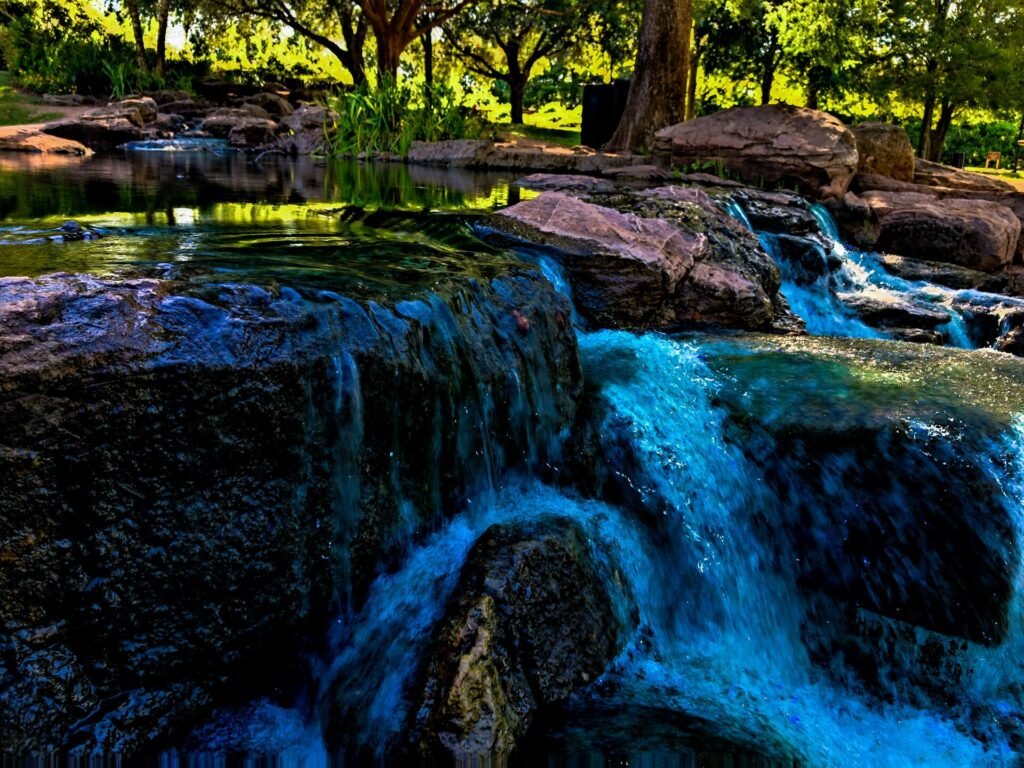
The county describes the lake as both a recreation setting and a flood-detention feature. That is a useful reminder that public landscapes can serve several purposes at once. Look for how paths, open space, and water relate to each other without assuming that the presence of a lake answers questions about flood conditions at nearby homes.
Separate observation from a boating plan
The county identifies a designated southeast portion of the lake for recreational non-motorized boating, with its own published hours and a personal flotation device requirement. That is a specific activity arrangement, not a general invitation to launch anywhere around the water. If boating is your purpose, review the current instructions and bring the appropriate equipment; the listing is not a promise of rentals.
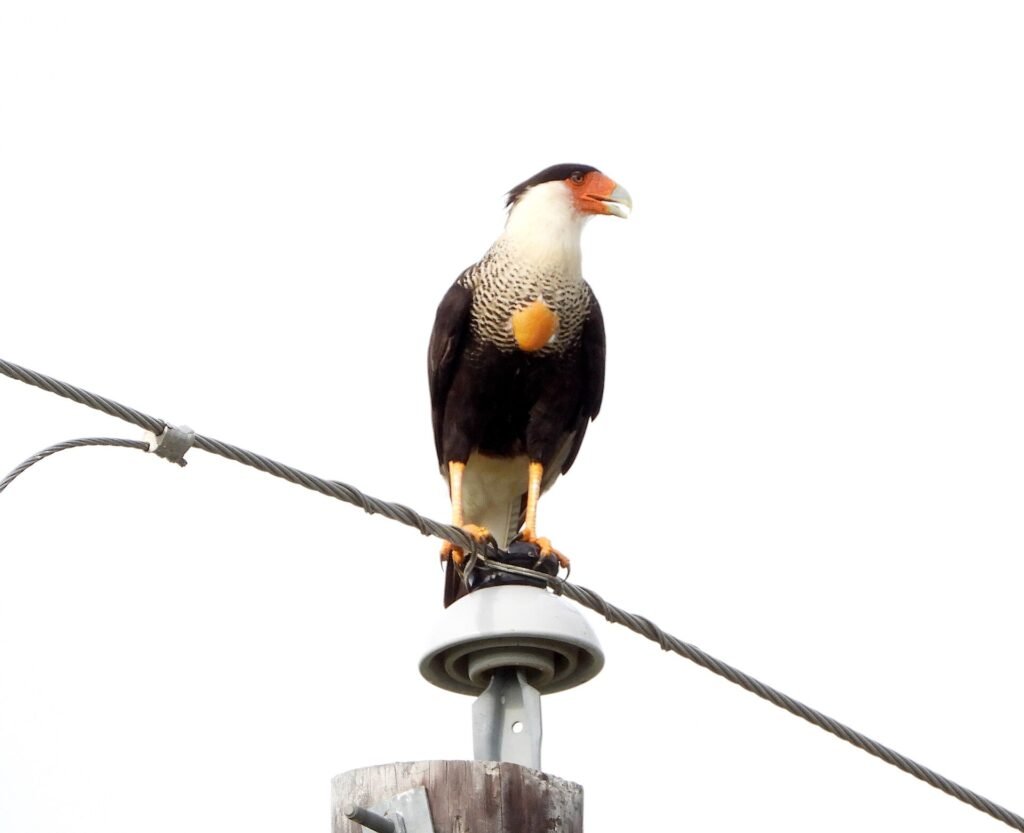
For an observation visit, keep the focus on the relationship between land and water. Look at where vegetation meets the shore, where movement appears on the surface, and how the route frames the view. You do not need to name every bird or explain the full drainage system to make the stop interesting.
When discussing the park afterward, keep recreation observations separate from conclusions about nearby property. A flood-detention function at a public lake does not establish the flood exposure of an individual home. Your park notes can describe the outing accurately while address-specific questions are checked through the relevant records and qualified professionals.
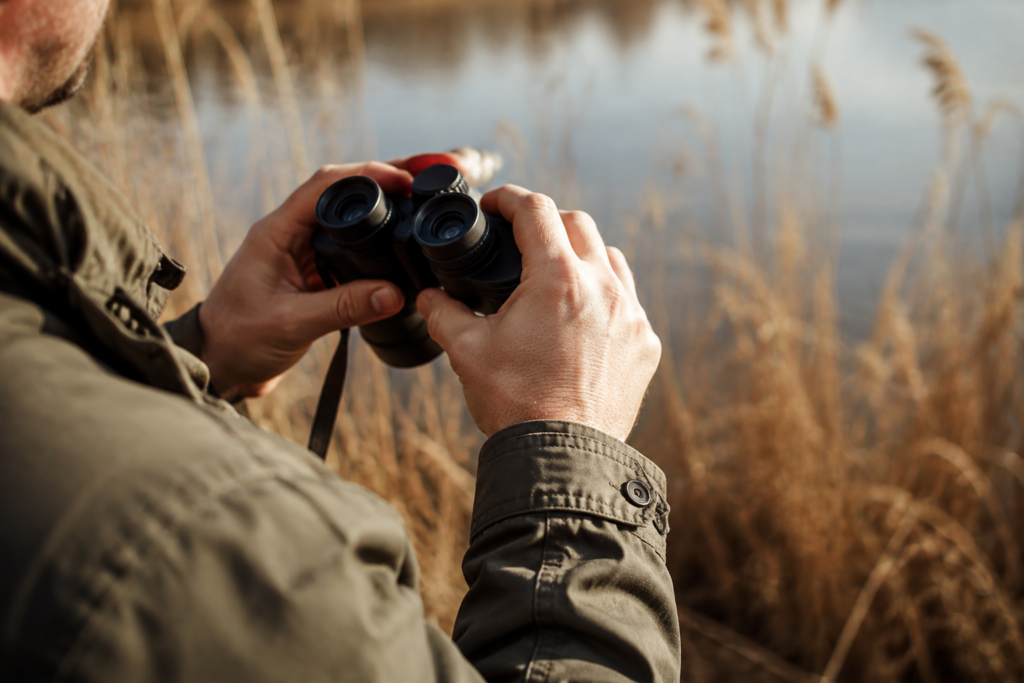
For an observation walk, choose one view and spend a few minutes noticing movement and reflections. Keep photography within permitted public areas. If you intend to fish or use a boat, review the current operator’s rules for that activity separately; an attractive view is not permission to enter the water anywhere you choose.
Make the education center a deliberate stop
The education center has its own published operating schedule. Confirm it before building the trip around an indoor visit, and check for any program registration requirement. A scheduled activity may differ from ordinary building access.
Connect one indoor question with one outdoor observation
The Environmental Education Center is a separate named destination at 9950 Katy Hockley Road. The county lists Tuesday-through-Saturday daytime hours for the building. Check the current center page and program listings for your date, especially when the visit depends on a particular activity rather than general access.
Bring a question that you can connect with the landscape outside: how plants use the water’s edge, what evidence helps identify local wildlife, or how a habitat changes over time. Ask staff which available information fits that interest. A focused question can make a short visit more rewarding than trying to read every display at the same pace.
Afterward, choose one permitted outdoor stop to revisit the subject. Write down what the center explained and what you actually saw, leaving room for anything still uncertain. That small connection gives the day a coherent theme. It also creates a reason to return for another program or a different observation, rather than trying to finish every possible lesson during the first visit.

Before arriving, choose a question you would like to explore, such as how local water, plants, and wildlife relate. After the visit, compare what you learned with one thing you noticed outside. That connection gives the outing a clear theme without making it feel like an assignment.
Open your Cypress park plan
Main purpose: trail, education center, or a verified recreation activity. Correct entrance: save and share it. Timing: check the relevant facility schedule. Optional extra: choose only one. Return plan: leave enough margin for the route back.
See whether the outing belongs in your regular week
Record the practical parts of the trip while they are fresh. Which entrance worked? Was the visit the right length? Would you return for the same activity or a different one? These details turn a pleasant destination into a routine you can realistically repeat.
Our Cypress local guide offers more context for exploring the area. If you are also searching for a home, pair your park notes with the Aurhomes Group home buyer guide. Compare specific addresses and property information, keeping recreation preferences separate from questions that require official records or professional review.